Digital Forensics Blog - Binalyze

How to analyze USB device history? [Windows]

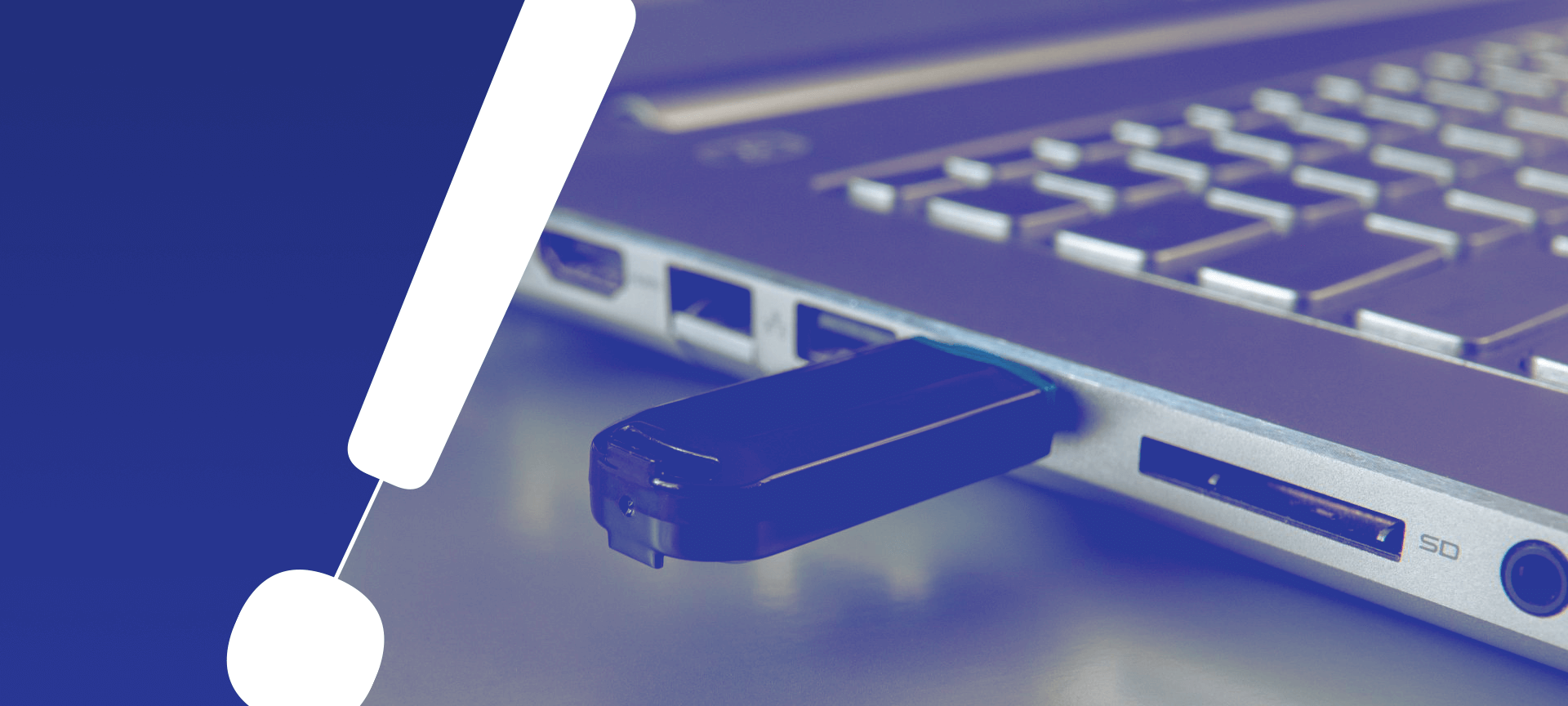
Whether you are investigating an endpoint in your corporate environment or you are part of a criminal investigation, you need to investigate the USB device history of an endpoint. Knowing what USB devices were connected to the computer is the essential information and of great importance to a forensic examiner.

Read more
Digital Forensics Blog - Binalyze

Another Industry First: Compare a Forensic Snapshot against a Baseline Image!

When responding to a cybersecurity incident, spending a lot of time analyzing forensic artifacts is a luxury that none of us have. Let’s say you have an incident in an organization with thousands of servers and clients, analyzing the compromised environment will take weeks, even months.

Read more
Digital Forensics Blog - Binalyze

Binalyze November 2021 Product Updates

In the past month, we released a new version of AIR that includes the new Cases management feature that gives you the ability to manage and create new individual cases for your investigations on a completely self-service basis to increase the speed and efficiency of your investigations

Read more
Release Notes - AIR

Binalyze AIR Product Release v2.2.1

With the latest version of Binalyze AIR, you can export endpoints, case information, timelines, and audit logs to CSV. How does it work?

Read more
Digital Forensics Blog - Binalyze

How to perform compromise assessment with 1 click?

Compromise assessment is an analysis of a network of endpoints or a single endpoint to uncover unknown security breaches, malware, and any sign of unauthorized access. The assessment seeks to discover any present and past attacker traces in the environment.

Read more
Digital Forensics Blog - Binalyze

Microsoft Exchange Server Vulnerability Scanner (CVE-2021-42321)

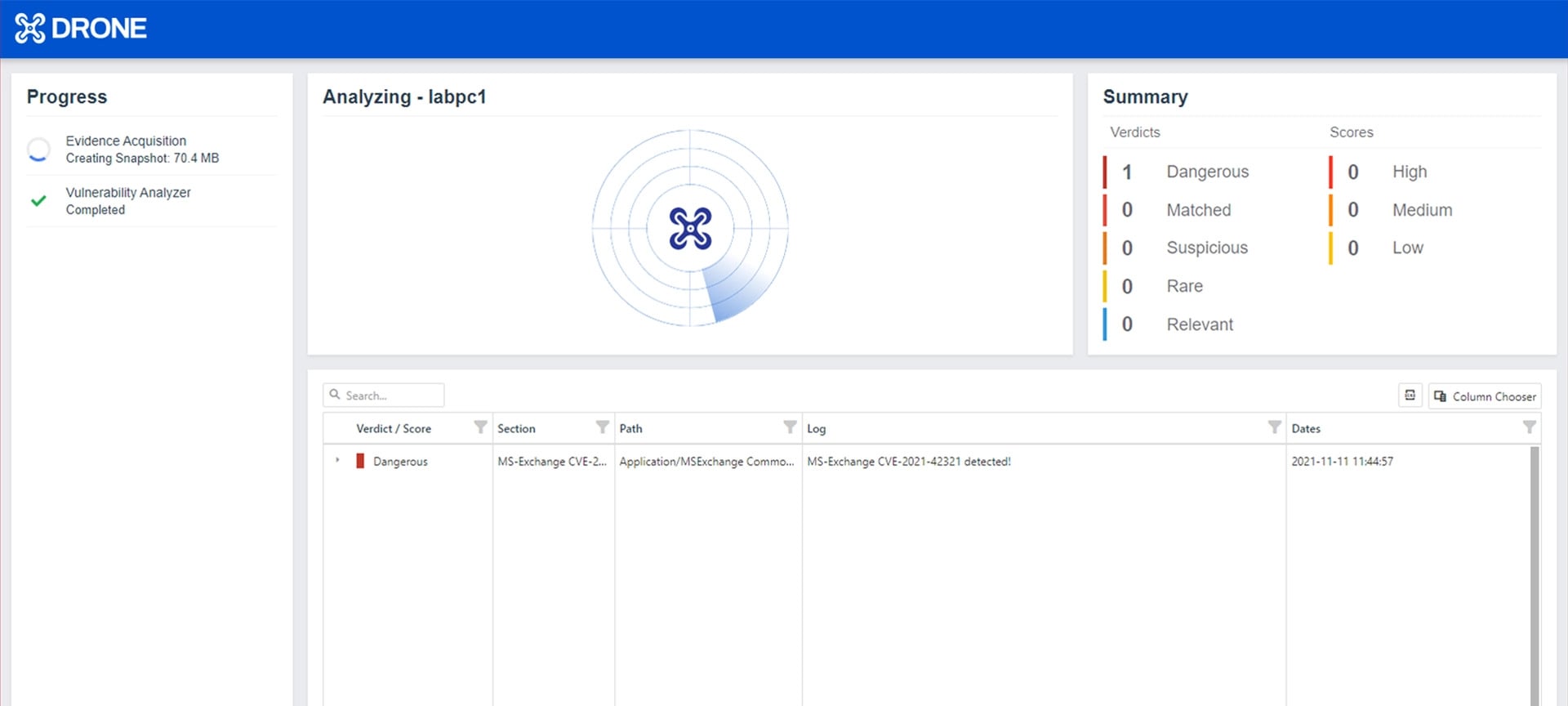
Microsoft patches actively exploited Exchange, Excel zero-days (CVE-2021-42321). Please refer to their site for more details.

Read more
Digital Forensics Blog - Binalyze

The Tenth Step to Forensic Readiness: Legal review

When we plan our incident response strategies and forensic readiness steps, we strongly pay attention to digital evidence acquisition, storage, handling, reporting, and remediation.

Read more
Digital Forensics Blog - Binalyze

The Ninth Step to Forensic Readiness: Incident response documents and reporting

The purpose of an investigation is never just to find the source of damage and place a quick repair. An investigation is in place to find out how it happened, document it, and fix those circumstances so they don’t occur again.

Read more
Digital Forensics Blog - Binalyze

Binalyze joins forces with ECHO Project

Binalyze is delighted to announce we are joining the EU’s ECHO Network project as a vendor, making us the first Digital Forensics and Incident Response participant in this network.

Read more
Digital Forensics Blog - Binalyze

August 2021 Binalyze Product Updates

Welcome to our monthly product updates roundup! Here’s a rundown of the new features and solutions we released in the past month that you can now take advantage of.

Read more
Digital Forensics Blog - Binalyze

The Eight Step to Forensic Readiness: Incident Response Training & Awareness

The end goal of this step is to ensure that internal training & awareness programs take place within your organization since your employees may be involved in the process of handling security incidents.

Read more
Digital Forensics Blog - Binalyze

The Seventh Step to Forensic Readiness: When a full formal investigation should be launched?

There can be many kinds of suspicious events generated either by the system or by human watchfulness. Every suspicious event (as described in step 6) needs to be checked before launching a full formal investigation.

Read more