
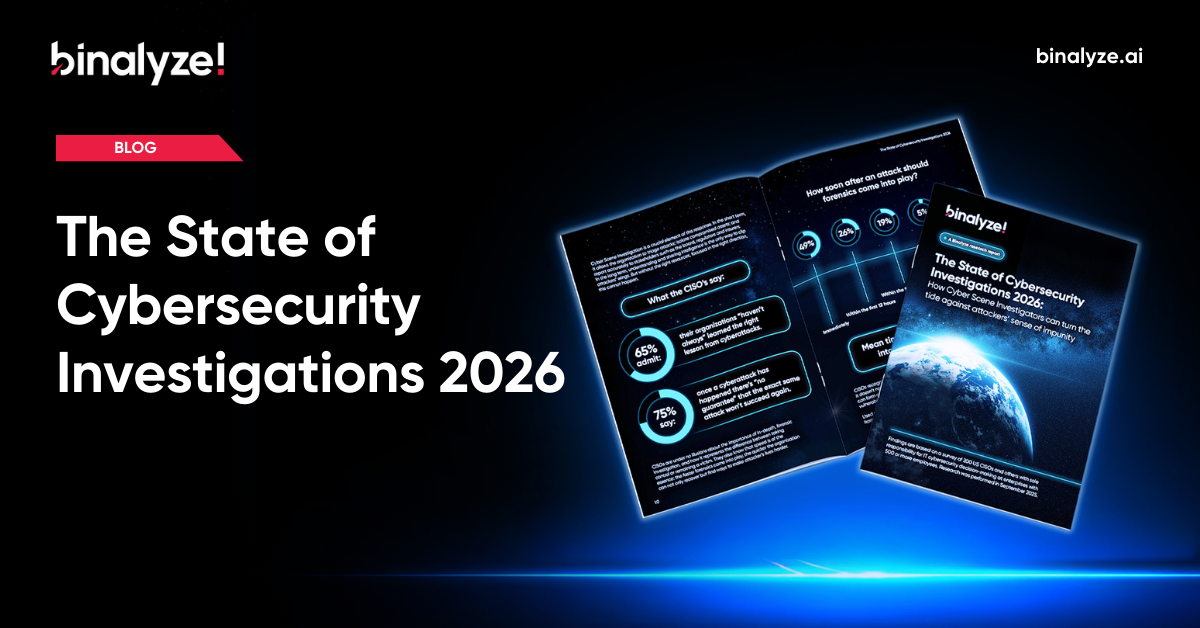
What CISOs Expect From Investigations in 2026: Speed, Clarity, Proof.
What CISOs Expect From Investigations in 2026: Speed, Clarity, Proof.
Cyber threats are relentless and constantly evolving. Organizations face an increasingly complex threat landscape, compounded by a persistent shortage of cybersecurity talent, overwhelming alert volumes, and pressure to ensure uninterrupted business operations.

Hybrid threats don’t knock at the front door—they slip through side entrances. In a world where cloud, endpoint, and identity are all attack vectors, traditional defenses fall dangerously short. The modern digital landscape is defined by an escalating complexity and proliferation of cyber threats. Adversaries increasingly deploy “hybrid threats,” combining various tactics like phishing, ransomware, supply chain attacks, and disinformation campaigns to achieve their objectives – from disrupting critical infrastructure and democratic processes to sophisticated data exfiltration. This complex, multi-pronged approach renders traditional, siloed security strategies insufficient.

Speed, efficiency, and visibility are more critical than ever. Security Operations Centers (SOCs) are under constant pressure to investigate incidents faster, handle growing alert volumes, and optimize resource use — all while controlling costs.
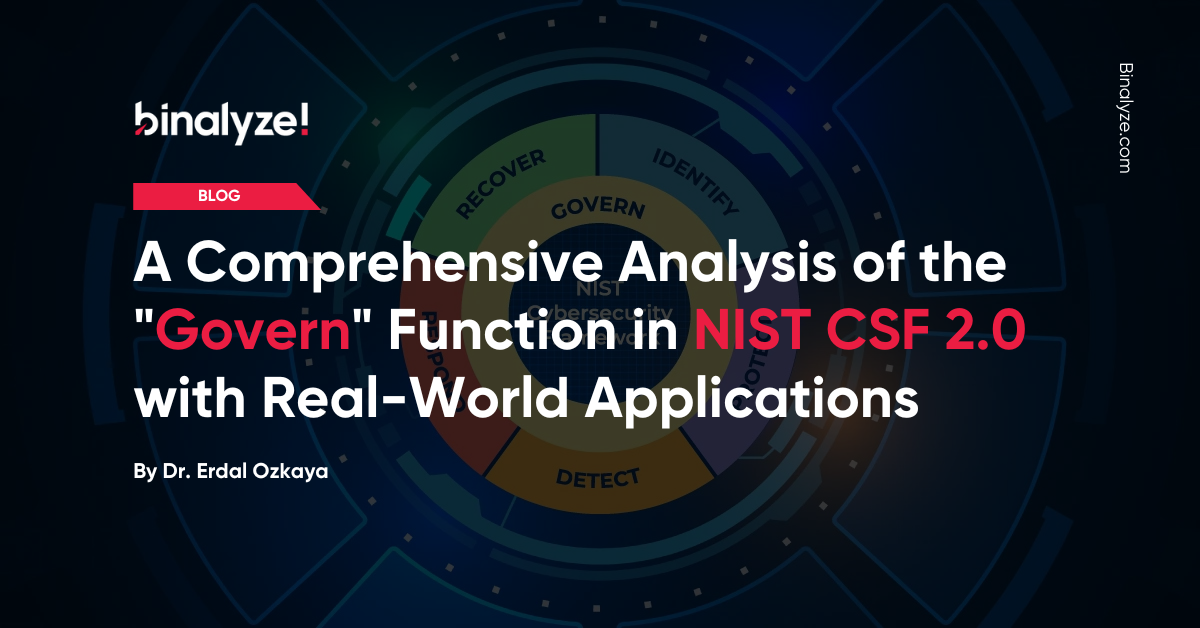
In early 2024, The National Institute of Standards and Technology (NIST) Cybersecurity Framework (CSF) 2.0 introduced a pivotal shift in cybersecurity paradigms with the inclusion of “Govern” as a core function, joining Identify, Protect, Detect, Respond, and Recover.
Security Operations Centers (SOCs) are evolving. The traditional model—reliant on alert-driven workflows and manual, cumbersome investigations—is struggling to keep up with the complexity and volume of cyber threats. The SOC of the future must be faster, smarter, and more resilient, embracing efficiency driving automation, forensic insights, and seamless integration across security tools.
Automation has transformed how security teams handle incidents, especially as the volume and complexity of threats continue to rise. Tools like Endpoint Detection and Response (EDR), SOAR platforms, and custom scripts are now staples in many organizations’ arsenals. According to the recent SANS 2024 Detection and Response Survey, EDR leads the charge, used by 82% of respondents, followed by SOAR platforms at 61%, custom scripts at 46%, and manual interventions at 50%.
The recent warning from GCHQ that the UK is losing its edge in defending against cyber attackers is a crucial reminder for businesses and governments to prioritize resilience. This challenge, however, is not unique to the UK. Globally, organizations are grappling with increasingly sophisticated adversaries, resource shortages, and a growing attack surface. These issues are compounded by a lack of preparedness, reliance on outdated processes, and limited adoption of innovative technologies.
As the complexity and frequency of cyber threats escalate, organizations are recognizing the inadequacy of traditional security methods focused solely on prevention and detection. The new reality demands a shift—a pivot towards an “assume breach” mindset and proactive measures that go beyond detection to robust investigation and response.
The recent disruption caused by a CrowdStrike Falcon content update has highlighted the critical importance of robust and resilient cybersecurity solutions. At Binalyze, we want to reassure our customers that our systems remain unaffected by this issue. We are dedicated to maintaining the highest standards of security and ensuring that our platform, particularly Binalyze AIR and its Responder binary, continues to provide reliable and effective protection.